Identification plays an integral role in our lives. Many workplaces utilize labels and boards to mark products, shelves, and aisles to increase efficiency in tracking, storage, retrieval, and management of goods. You’ll commonly find boards in convenience stores to help you navigate between aisles to get what you want in less time. Manufacturing warehouses and product facilities implement the same practice using rack labels to manage inventory shelves. Visit for more information
barcode labels sequential numbering
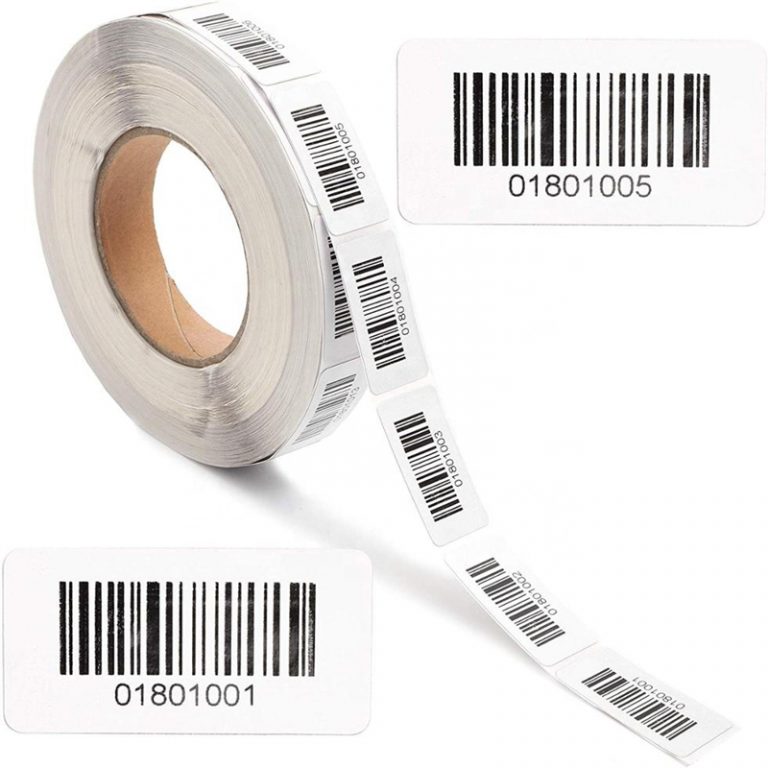
Here’s all you need to know about the different types of warehouse rack labels to build an effective warehouse management system.
What Are Warehouse Rack Labels?
Think of warehouse rack labels like identification cards. These labels, in reference to their name, are attached to shelves or racks and offer visual cues to help locate, identify, and distinguish from other items. This identification system enables workers to streamline operations, reduce lead time to locate items, and enhance productivity.
An effective warehouse labeling system provides a roadmap for warehouse staff to maneuver between shelves and identify if they are short on supply. An additional advantage is that they enable new employees to adjust quickly without getting lost between aisles.
Each rack or aisle has a designated rack label, which can differ based on purpose and use. To design a smart warehouse, it’s essential to learn about the types of warehouse rack labels.
Types of Warehouse Rack Labels
Choosing the right type of warehouse rack label is crucial to improve inventory management. The right kind of label can help create a balanced and well-organized labeling system to reduce waste and optimize productivity.
One of the main types of warehouse rack labels. Pallet labels, also known as LPN labels (license plate numbers), come in sequential barcode format or have a combination of text with symbols like arrows and numbers. These systematic, consistent labels help ensure quick and effective communication with warehouse workers on the floor, promoting warehouse efficiency.
Universally recognized across different warehouse facilities, barcode labels are one of the most frequently used warehouse labels. There are two main types:
These consist of traditional barcode labels commonly found on multiple packages. After scanning, they direct the user to the inventory or information of the product, such as date of production and expiry.
More advanced compared to their 1D counterparts, 2D barcode labels possess a large capacity to store large amounts of information, making them ideal for complex warehouse inventories.
Warehouse Rack Beam Labels
When you think of warehouse rack labels, you’ll find them on rack beams. These labels pinpoint each rack bay location to help identify products for storage, transport, and inventory management. The text present on these types of rack labels includes a mixture of one or two-dimensional barcode images and information such as letters and numbers.
Besides, on the beams, you’ll see labels decorating the vertical lines of a warehouse rack as part of the inventory management system. Totem labels consist of a vertical stack of barcodes, where each differs from the other. Each barcode represents a different level of shelving paired with a different color for easy identification. This method of warehouse labeling management can help warehouse operators to receive information within a short period of time.
Warehouse Tote and Bin Labels
Whether it is a result of surplus warehouse production or excess raw materials, warehouses commonly utilize plastic bins or containers for short-term storage. Like warehouse racks, these bins should have proper barcode labels that direct workers to locate and manage product inventory.
Warehouse floor labels serve as a map to guide employees using forklifts or locate inventory items throughout the warehouse. These visual cues primarily consist of arrows and short text to provide precise and accurate information to enhance productivity. When choosing these types of warehouse labels, it’s essential to prioritize the material. As the inventory of a warehouse accommodates large traffic, durability is a key factor in ensuring long-lasting labels.
For dynamic inventories, magnetic labels are the best type of warehouse rack label to manage flexibility and consistent use. They offer enhanced functionality as they can be continuously used despite constant reconfigurations without leaving a sticky residue behind. This makes them the ideal choice for managing inventory products without experiencing a gap in workflow.
Designing An Effective Warehouse Rack Labeling System
Warehouse labeling is crucial to keeping your warehouse running smoothly. Taking the move to do so involves more than printing barcode labels and sticking them on racks. The process includes:
Define Objectives: Assess what you want to achieve by implementing a warehouse rack labeling system. Address factors such as reducing search time, enhancing productivity, and real-time tracking. This will serve as a guideline for developing an effective warehouse management system.
Check Your Surroundings: Warehouse rack labels come in various material types, which impact their durability. Consider the temperature, humidity, and the types of goods being stored in your inventory to design long-lasting solutions. This way, you can determine the label material, types of scanners used, and the printing devices you’ll need.
Choose The Right Types Of Labels: Based on your assessment, you can decide which type of rack label is best suited for your facility. To make an informed decision, vary between the use of pallets, magnetic, and barcode labels that meet your inventory needs best.
Print And Stick Labels: Once you have decided on the type of label and the material that fits your warehouse environment, you can proceed with the final steps. Make sure to print quality labels using an industrial printer to ensure accurate information.
Maintenance & CheckUps: Applying the labels is not the end of designing an effective labeling system. Ensuring improvement and productivity is a continuous process, which includes checking labels for wear and tear, especially in high-traffic areas. Inspect floor signs as they are most susceptible to damage during use.
Benefits of Warehouse Rack Labels
Low Labor Costs: Time is money, and you can save by implementing a practical labeling system. By indicating aisles and racks, you can optimize storage, picking, and packing routes by reducing the time workers take to locate products.
Accurate Inventory Tracking: Bright, visible labels are easy to notice from a distance, which can help eliminate the risk of misplaced or lost items, which is a common error noticed in high-traffic warehouses.
Organized System: By pinpointing each product aisle or marking racks, you can help create a well-organized, clean, and clutter-free warehouse. By implementing warehouse rack labels into your inventory management system, you can streamline warehouse processes.
The best type of label for your warehouse will be based on multiple factors, like the size of your inventory, the types of products, and how frequently your layout changes. For instance, if your inventory experiences frequent changes or product additions, barcode labels might be a cost-effective solution. On the other hand, if you aim to build a permanent labeling system, rack placards are a long-lasting solution known for their durability.
Take Steps To Enhance Your Warehouse Inventory With LabelTac
What are the different types of rack labels?
Rack labels differ based on purpose and their durability. The main types of warehouse rack labels include barcode labels, magnetic labels, and pallet labels. Each type is designed to serve a specific purpose, such as barcode labels, which are best for labeling goods, allowing lop operation workers to get accurate information about the product after scanning. This
What is the best way to label racking?
The zigzag or the serpentine method is the most efficient way to label racks. This method involves numbering or labeling racks from one aisle to the next. For example, the first aisle begins with 1, and the numbers will flow to the next aisle, and so on and so forth.
What is the best way to label pallets?
A reputable practice to label pallets includes applying pallet labels as vertically close as possible. However, there should be a distinction between different labels which you can achieve by different color codes.