
|
Geopolitics For Supply Chain Managers
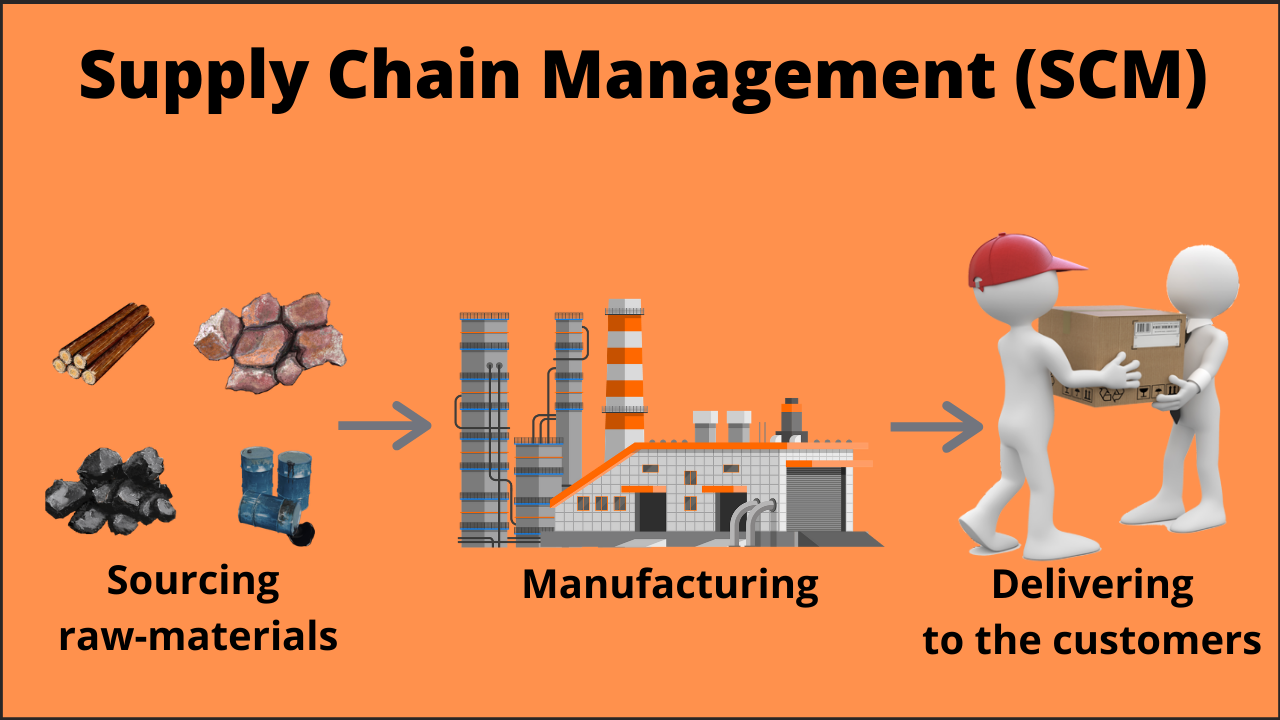 Geopolitics For Supply Chain Managers Published 2/2026 MP4 | Video: h264, 1920x1080 | Audio: AAC, 44.1 KHz, 2 Ch Language: English | Duration: 50m | Size: 708.56 MB What you'll learn Understand the shift from globalization to multipolarity and its impact on supply chains How to map your supply chain to identify Single Points of Failure (SPOFs) in high-risk regions Use the Risk Matrix to assess impact and likelihood of geopolitical threats Implement resilience strategies: diversification, nearshoring, friendshoring, strategic inventory How to establish governance frameworks and continuous monitoring systems Analyze real-world case studies: US-China trade war, Red Sea crisis, Russia-Ukraine conflict How to leverage technology and AI for compliance and horizon scanning Requirements Basic understanding of supply chain management concepts (helpful but not required) Interest in global affairs and geopolitics Willingness to think strategically about risk and resilience Description This course contains the use of artificial intelligence. In today's volatile global landscape, supply chain managers face unprecedented challenges from geopolitical disruption. The US-China trade war, the COVID-19 pandemic, the Russia-Ukraine conflict, and the Red Sea maritime crisis have fundamentally transformed how we think about global supply chains. This comprehensive course equips supply chain professionals with the knowledge and frameworks needed to navigate the new geopolitical reality. You'll learn how to identify, assess, and mitigate geopolitical risks that threaten your operations, from trade wars and sanctions to maritime disruptions and commodity volatility. What You'll Master The course begins by establishing the foundational shift from a unipolar to multipolar world order and its direct implications for global trade. You'll explore how great power competition, economic nationalism, and strategic decoupling are reshaping supply chain strategies worldwide. Through detailed case studies and practical frameworks, you'll learn to conduct comprehensive geopolitical risk assessments, implement proven mitigation strategies including diversification and regionalization, and establish robust governance structures for continuous monitoring and response. Who Should Enroll This course is designed for supply chain managers, procurement professionals, logistics directors, operations managers, and business leaders responsible for global supply chain strategy. No background in international relations or political science is required-just a commitment to transforming your supply chain from a vulnerability into a competitive advantage. Who this course is for Supply Chain Managers Procurement Professionals Operations Managers Logistics Coordinators Risk Management Professionals Business Strategists MB A Students Anyone interested in geopolitics and global trade |
| Часовой пояс GMT +3, время: 15:06. |
vBulletin® Version 3.6.8.
Copyright ©2000 - 2026, Jelsoft Enterprises Ltd.
Перевод: zCarot