
|
Signal Jammer Technology and the Future of Smart Environments
[/b]
The world is rapidly moving toward smarter environments. Cities are becoming interconnected ecosystems where traffic lights communicate with vehicles, buildings monitor energy usage automatically, and logistics systems rely on constant wireless communication. This transformation promises efficiency, convenience, and innovation on a massive scale. However, it also raises an important question: what happens when every part of our environment depends on uninterrupted signals? As digital infrastructure expands, conversations about control, stability, and signal management are growing louder. Among the technologies discussed in this context is the Frequency jammers, a device that challenges the assumption that more connectivity is always better. Rather than representing disruption alone, signal jammers are increasingly viewed as tools that highlight the importance of balance in a wireless world. The Rise of Signal-Dependent Infrastructure[/b] Smart environments rely heavily on wireless communication. Sensors, mobile devices, automated systems, and connected machines constantly exchange data. In many cases, these signals form the invisible backbone of daily operations. Examples include:
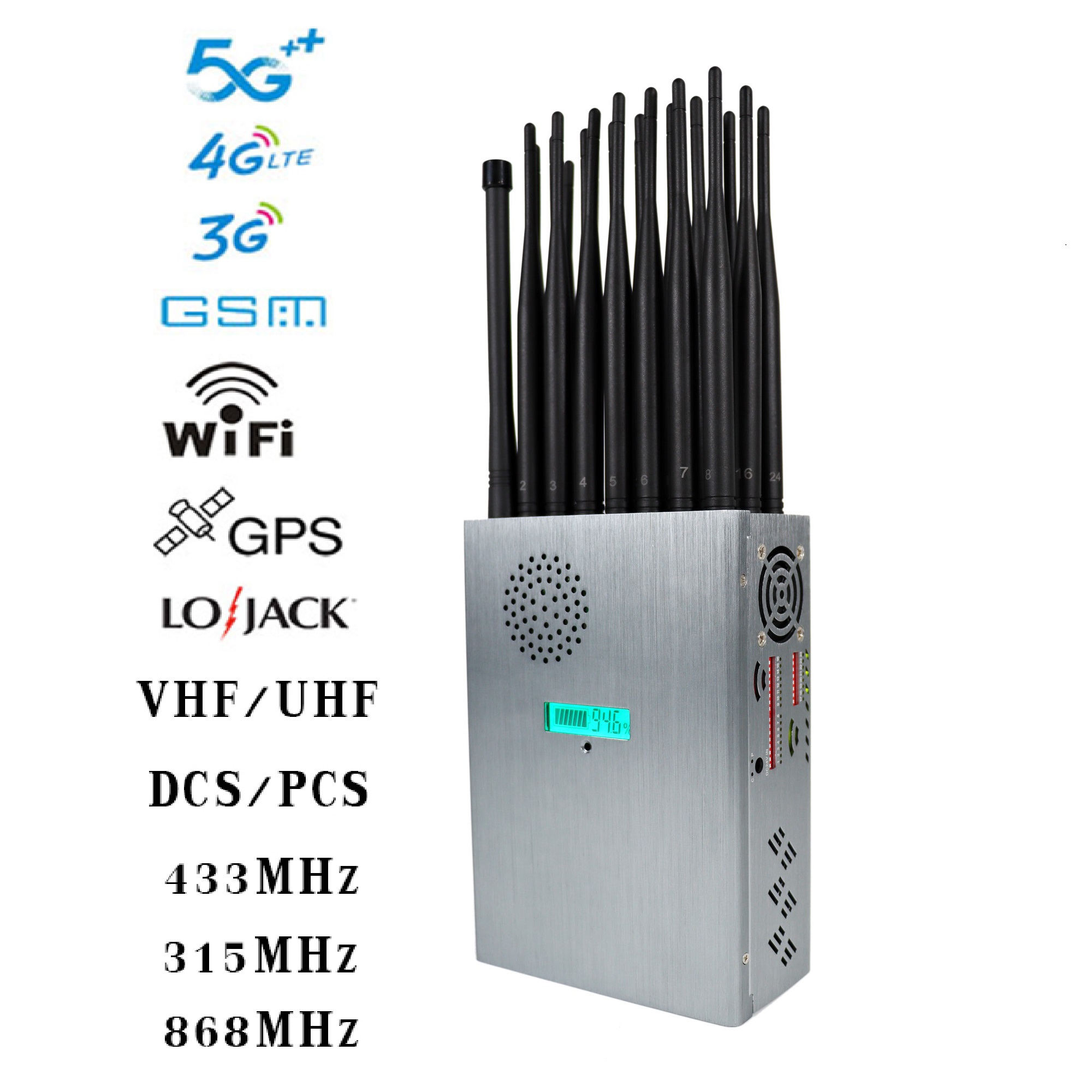 Signal Saturation in Modern Spaces[/b] As more devices compete for wireless space, signal congestion becomes a practical issue. Urban environments are increasingly dense with overlapping networks, Bluetooth signals, cellular connections, and private wireless systems. This saturation can lead to:
Signal Jammers as Tools for Environmental Control[/b] A common misconception is that Portable Mobile Cell Jammer exist solely to block communication indiscriminately. Modern discussions, however, frame them differently. In controlled environments, a signal jammer can serve as a tool for managing digital boundaries within a physical space. Potential applications include:
The Importance of Redundancy and Offline Capability[/b] One lesson learned from the growth of smart technology is that full reliance on wireless systems can create hidden risks. When connectivity fails, operations often slow down or stop completely. WiFi Internet Blocker, when used in controlled testing scenarios, help organizations evaluate:
Designing Human-Centered Smart Spaces[/b] Another emerging discussion involves the human experience within highly connected environments. Constant digital interaction can lead to distraction, cognitive overload, and reduced face-to-face engagement. As smart spaces evolve, designers are beginning to consider how wireless exposure affects human behavior. Signal-controlled zones may support:
Innovation Through Controlled Limitation[/b] Interestingly, technological innovation often benefits from constraints. Engineers and designers frequently learn more about systems by observing how they respond to limitations rather than ideal conditions. GPS Signal jammer technology contributes to this process by allowing professionals to:
Why Interest in Signal Jammer Technology Continues to Grow[/b] The growing interest in signal jammer technology reflects a shift in how society views connectivity. Instead of pursuing endless expansion of wireless coverage, many industries now ask:
The Role of TheJammerBlocker.com[/b] As awareness of signal management grows, reliable information becomes increasingly important. TheJammerBlocker.com[/b] provides insight into UHF signal jammer technology, helping readers understand how wireless control tools fit into the broader landscape of modern digital environments. By offering educational resources and practical perspectives, the platform supports individuals and organizations exploring how to create more balanced and controlled wireless spaces. Conclusion: Balancing Connectivity and Control[/b] The future will undoubtedly be wireless, but it does not have to be uncontrolled. Smart cities, connected workplaces, and digital ecosystems all benefit from thoughtful signal management. Signal jammer technology reminds us that true innovation includes the ability to control when and how systems communicate. In a world built on constant connectivity, the ability to intentionally shape the signal environment may become one of the defining factors of successful digital design. Rather than rejecting technology, signal jammers represent a broader idea: balance between connection, stability, and human-centered environments. |
The future becomes fascinating when invisible technologies shape the spaces around us. Signal Jammer Technology and the Future of Smart Environments sparks an important conversation about balancing connectivity, security, and responsible innovation in modern cities. is character ai downWhile discussing intelligent systems, questions like is character ai down remind us how dependent people have become on reliable digital services. Smart environments should prioritize safety, uninterrupted communication, and ethical technology design to create connected experiences that benefit both individuals and communities without compromising trust or accessibility.
|
| Часовой пояс GMT +3, время: 10:28. |
vBulletin® Version 3.6.8.
Copyright ©2000 - 2026, Jelsoft Enterprises Ltd.
Перевод: zCarot