
|
The Skills Economy: Building A Skills-Based Organization
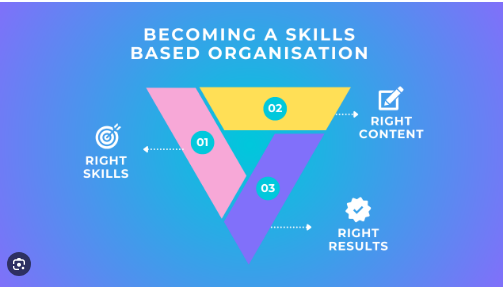 The Skills Economy: Building A Skills-Based Organization Published 3/2026 MP4 | Video: h264, 1280x720 | Audio: AAC, 44.1 KHz, 2 Ch Language: English | Duration: 1h 30m | Size: 1.38 GB What you'll learn Explain the skills economy and why organizations are shifting from jobs to skills-first models. Define the core components of a skills-based organization and how it operates in practice. Create a skills taxonomy and run a skills inventory to map skills across the workforce. Perform a skills gap analysis and prioritize which capabilities to build, buy, or borrow. Design upskilling/reskilling strategies tied to business goals and internal mobility pathways. Integrate skills into hiring, performance, career development, and rewards systems. Requirements There are no prerequisites for this course Description Job titles are losing meaning-and the organizations that thrive in the skills economy are the ones that can spot, grow, and deploy skills faster than change. Consider what's happening in the market right now • 87% of companies report skill gaps today or expect them soon • Many technical skills have a half-life of ~5 years (and often less in tech-heavy roles) • 94% of employees say they'd stay longer if a company invested in their learning If your organization can't clearly answer "What skills do we have?" and "What skills do we need next?" you'll struggle to hire, retain, and move talent fast enough to keep up. This course-The Skills Economy: Transforming Into a Skills-Based Organization-shows you how to move from a job-title-driven talent model to a skills-first approach that improves agility, internal mobility, and workforce readiness. You'll learn how leading organizations are making this shift (including examples from IBM, Unilever, Haier, and a deep-dive case study on Schneider Electric), and you'll get practical frameworks you can apply whether you're launching a small pilot or driving enterprise transformation. In this course, you'll learn how to • Understand the skills economy and why skills-not credentials-are becoming the currency of work • Define what a skills-based organization looks like and how it differs from traditional job-based models • Build a common skills language using a skills taxonomy and proficiency levels • Run a skills inventory, map skills to real work, and perform a skills gap analysis • Create strategies to close gaps through upskilling, reskilling, microlearning, and stretch assignments • Embed skills into HR systems: skills-based hiring, internal talent marketplaces, performance, career paths, and rewards • Use enabling tools and trends (AI, digital credentials, marketplaces) to keep skills data current and actionable By the end, you'll have a clear set of next steps to start implementing skills-first practices in your own organization-backed by real-world examples, metrics to track impact, and change management guidance to make it stick. If you're ready to future-proof your workforce and build a more agile, inclusive talent model, this course will help you get there. Who this course is for HR leaders, HRBPs, and people strategy professionals Talent acquisition and recruiting leaders shifting to skills-based hiring Learning & development (L&D) and workforce development professionals Business leaders and managers responsible for team capability and agility Organizational development and transformation leaders Workforce planning, talent analytics, and HRIS professionals DEI leaders seeking fairer, more inclusive talent practices Consultants and practitioners supporting skills-based org transformations |
| Часовой пояс GMT +3, время: 23:22. |
vBulletin® Version 3.6.8.
Copyright ©2000 - 2026, Jelsoft Enterprises Ltd.
Перевод: zCarot