
|
Reel Guides
The Science Behind Successful Fishing Trips in Saltwater
Successful saltwater fishing is not random. It is driven by a combination of environmental science, fish biology, and precise timing. While many people see fishing as a simple activity, experienced anglers understand that consistent results come from understanding how the marine ecosystem works. Professionals working in Saltwater Fishing Charters rely on these scientific principles to plan trips and improve success rates. This guide explains the key factors that influence saltwater fishing and how they impact your overall experience. 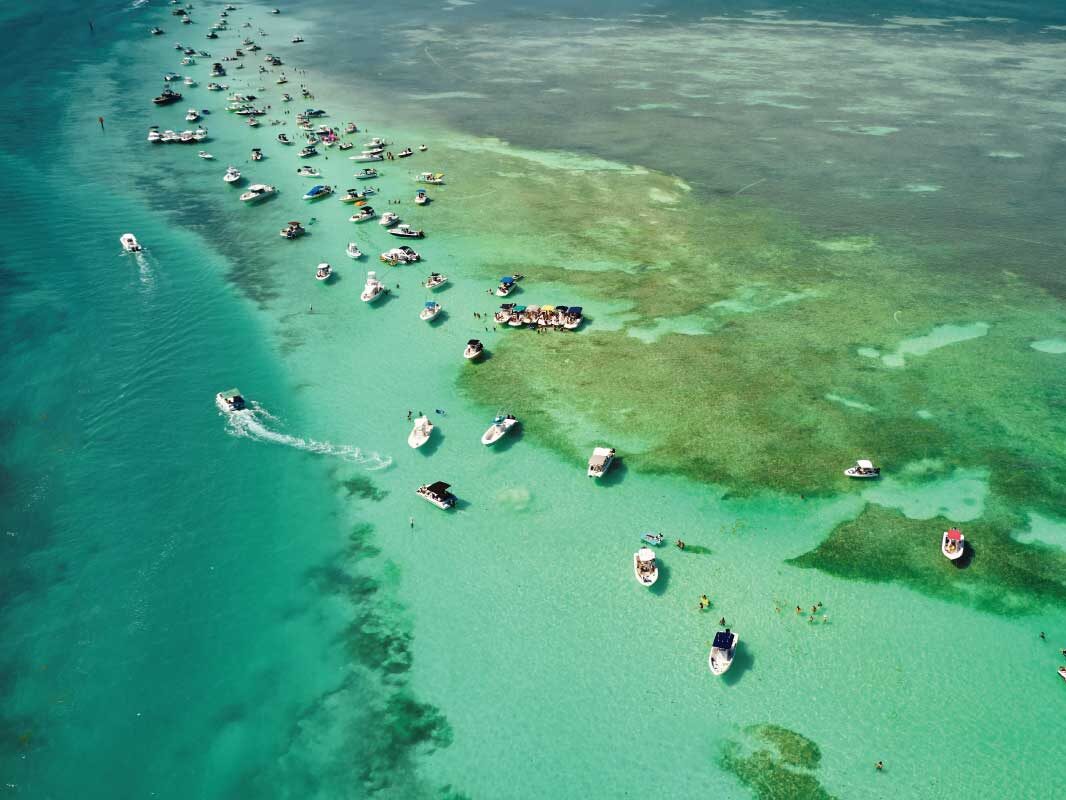 How Saltwater Ecosystems Influence Fishing Saltwater environments are complex systems where multiple factors interact at the same time. Fish do not move randomly. They respond to conditions that affect feeding, safety, and energy conservation. Key elements include: Ocean currents Water temperature layers Availability of bait fish Oxygen levels in the water When these factors align, fish become more active and easier to locate. The Role of Water Temperature Water temperature is one of the most important variables in saltwater fishing. Different species prefer specific temperature ranges, and even small changes can shift their location. Important points: Warmer water increases metabolism and feeding activity Cooler water slows movement Sudden changes can push fish into deeper areas Captains in Saltwater Fishing Charters constantly monitor temperature patterns to choose the best fishing spots. Ocean Currents and Fish Movement Currents move nutrients and bait across large distances. Where currents meet or change direction, fish tend to gather. These areas are important because: They concentrate food sources They create natural feeding zones They attract larger predator fish Fishing near these zones increases the chances of success. Light Penetration and Depth Behavior Sunlight affects how deep fish stay during the day. Common patterns include: Early morning and late afternoon bring fish closer to the surface Bright sunlight pushes fish deeper Cloud cover can extend feeding near the surface Understanding this helps determine the correct fishing depth. Salinity and Water Chemistry Salt concentration, known as salinity, influences fish behavior. Changes can occur due to rainfall, tides, or freshwater mixing. This affects: Fish comfort levels Movement patterns Feeding activity Stable salinity usually leads to more predictable results. The Importance of Bait Presence Fishing success depends heavily on the presence of bait fish. Larger fish follow their food source. Signs of bait activity include: Birds diving into the water Surface movement Clusters of small fish Where bait is present, predator fish are usually nearby. Timing and Tidal Movements Tides control water movement and feeding cycles. Key phases include: Incoming tide bringing nutrients and bait Outgoing tide pulling fish toward deeper channels Fishing during tidal changes often produces better results than during still periods. Pressure Systems and Fish Activity Atmospheric pressure affects fish behavior more than most beginners expect. Stable pressure supports consistent feeding Falling pressure can trigger short feeding periods Rising pressure may reduce activity Monitoring pressure helps identify the best fishing times. How Professionals Apply This Science Professional captains combine multiple data points to plan each trip. They focus on: Water temperature trends Current patterns Bait activity Real time environmental changes This scientific approach improves consistency and results. Why Strategy Outperforms Guesswork Fishing success increases when decisions are based on knowledge rather than chance. Experienced anglers: Analyze environmental conditions Select locations based on data Adjust techniques as conditions change This approach leads to more predictable outcomes. Conclusion Saltwater fishing is influenced by natural forces that determine where fish are, how they behave, and when they feed. Understanding temperature, currents, tides, and bait activity allows anglers to make better decisions. A successful trip is not based on luck. It comes from applying knowledge, observing patterns, and adapting to the environment. The more you understand the science behind fishing, the more control you gain over your results. |
| Часовой пояс GMT +3, время: 20:17. |
vBulletin® Version 3.6.8.
Copyright ©2000 - 2026, Jelsoft Enterprises Ltd.
Перевод: zCarot