
|
Basic Awareness Of Lifting Safety At Worksites
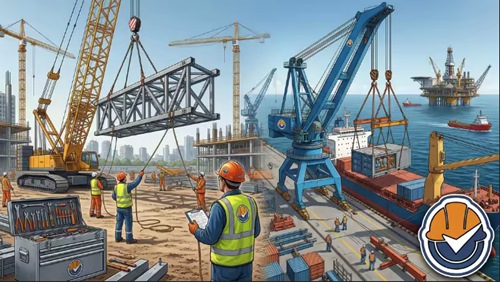 Basic Awareness Of Lifting Safety At Worksites Published 4/2026 MP4 | Video: h264, 1920x1080 | Audio: AAC, 44.1 KHz, 2 Ch Language: English | Duration: 33m | Size: 923.83 MB What you'll learn Understand what lifting safety means and why lifting incidents commonly occur on worksites Recognise common lifting equipment including forklifts, cranes, and mobile elevating work platforms Understand key hazards, risks and controls associated with lifting operations Apply practical lifting safety tips to everyday work activities Requirements No prior experience or technical knowledge is required. This course is designed as a general lifting safety awareness course. Learners do not need to operate lifting equipment or machinery to benefit from the training. No specialist tools, certifications, or equipment are needed-just a willingness to learn and improve personal safety awareness at work. This course does not replace site-specific training or operator certification, but it provides a strong foundation in lifting safety principles that apply across many industries. Description This course contains the use of artificial intelligence. Lifting activities are involved in many workplace incidents whether it's manual handling, forklift operations, cranes, or working around lifting equipment. This course provides a practical, easy-to-understand introduction to lifting safety, focusing on the risks people are most commonly exposed to on real worksites. You'll learn how lifting incidents happen, what typically goes wrong, and how to apply simple, effective safety controls to reduce the risk of injury or damage. The course covers safe lifting principles, common lifting equipment, pedestrian safety, inspections, and how to recognise unsafe lifting practices before an incident occurs. This training is designed for workers, supervisors, and anyone working around lifting operations who needs general lifting safety awareness, not technical operator training. The content is presented in a clear and practical way, using real-world examples rather than complex regulations or heavy theory. By the end of the course, you'll have a stronger understanding of safe lifting techniques, lifting equipment hazards, and your role in keeping worksites safer whether you're lifting loads yourself or working near lifting operations. The principles covered in this course are applicable across construction, warehousing, manufacturing, logistics, and offshore environments, making the learning relevant regardless of location or industry. This course is suitable for both new starters and experienced workers seeking a practical refresher on lifting safety fundamentals. What You'll Learn Explain what lifting operations are and why they are high-risk activities • Recognise different types of lifting operations, including complex and critical lifts • Understand key roles and responsibilities in lifting activities • Identify common lifting equipment and lifting gear • Describe how lifting incidents occur and the typical causes of failure • Recognise key lifting hazards and basic control measures • Apply lessons learned from lifting incidents to real worksite situations Who this course is for Workers who are exposed to manual handling, lifting tasks, or lifting operations as part of their job Employees working around forklifts, cranes, or lifting equipment, including pedestrians and support staff Anyone new to construction, industrial and offshore environments who wants to understand safe lifting practices Supervisors, engineers, and site managers who want to improve lifting safety awareness within their teams Safety professionals or coordinators looking for a practical refresher on lifting safety fundamentals |
| Часовой пояс GMT +3, время: 00:23. |
vBulletin® Version 3.6.8.
Copyright ©2000 - 2026, Jelsoft Enterprises Ltd.
Перевод: zCarot