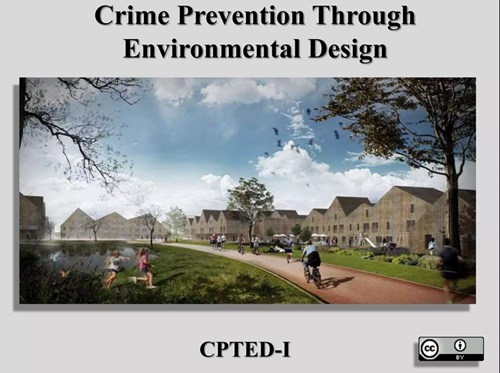
 Cpted: Crime Prevention Through Environmental Design
Published 7/2026
Created by Shamir Rajadurai
MP4 |
Video: h264, 1920x1080 |
Audio: AAC, 44.1 KHz, 2 Ch
Level: Beginner |
Genre: eLearning |
Language: English |
Duration: 12 Lectures ( 50m ) |
Size: 1.2 GB
If you're referring to "CPTED: Crime Prevention Through Environmental Design", it's a course focused on how the design and management of physical spaces can reduce opportunities for crime and improve safety. CPTED is widely used in urban planning, architecture, security consulting, law enforcement, and facility management.
5
What you'll typically learn
1. Introduction to CPTED
History and evolution of CPTED
Core principles
Crime opportunity theory
Relationship between environmental design and criminal behavior
2. The Core CPTED Principles
Most courses cover these foundational concepts:
Natural Surveillance - Designing spaces so people can easily observe their surroundings.
Natural Access Control - Guiding movement through entrances, exits, fencing, landscaping, and pathways.
Territorial Reinforcement - Using design elements to clearly distinguish public, semi-public, and private spaces.
Maintenance - Keeping environments clean and well maintained to discourage criminal activity.
Many courses also introduce Second-Generation CPTED, which emphasizes:
Community engagement
Social cohesion
Connectivity
Neighborhood capacity
3. Crime Risk Assessment
Identifying vulnerable areas
Environmental security audits
Crime pattern analysis
Risk prioritization
4. Security Design Applications
Practical applications often include:
Residential communities
Office buildings
Schools and universities
Hospitals
Shopping centers
Parking facilities
Parks and public spaces
Transit stations
Industrial facilities
5. Physical Security Integration
Lighting design
Landscaping strategies
Fencing and barriers
CCTV placement
Signage
Access control systems
Emergency exits
Perimeter security
6. Urban Planning & Architecture
Site layout
Street design
Pedestrian circulation
Mixed-use developments
Public realm improvements
Safe neighborhood planning
7. Security Audits
You'll typically learn how to:
Conduct CPTED inspections
Identify environmental vulnerabilities
Recommend practical improvements
Prepare professional assessment reports
8. Standards & Best Practices
Courses may discuss guidance from:
Local planning authorities
Police crime prevention units
Security industry organizations
Building and fire safety regulations
Skills you'll gain
Conducting CPTED assessments
Identifying environmental security risks
Recommending design improvements
Integrating physical security with architecture
Preparing security audit reports
Evaluating lighting and visibility
Planning safer public and private spaces
Best suited for
Security Consultants
Physical Security Specialists
Architects
Urban Planners
Facility Managers
Property Managers
Law Enforcement Officers
Corporate Security Professionals
Risk Managers
Campus Security Personnel
Prerequisites
Most introductory CPTED courses require no specialized background, though familiarity with architecture, planning, security, or facilities management can be helpful.
Expected outcome
By the end of a course like this, you should be able to:
Explain the principles of CPTED and how they help reduce crime opportunities.
Evaluate buildings and public spaces for security vulnerabilities.
Recommend practical environmental design improvements.
Incorporate CPTED principles into planning, construction, and renovation projects.
Work effectively with architects, planners, and security professionals to create safer environments.
Career relevance
CPTED knowledge is especially valuable if you're interested in:
Physical Security
Corporate Security
Security Risk Management
Urban Planning
Smart Cities
Facilities Management
Law Enforcement
Critical Infrastructure Protection
It also complements certifications and frameworks in broader security fields, such as physical security standards, enterprise risk management, and organizational resilience, by providing a practical approach to reducing crime through thoughtful environmental design.
Код:
https://www.udemy.com/course/cpted-crime-prevention






 Cpted: Crime Prevention Through Environmental Design