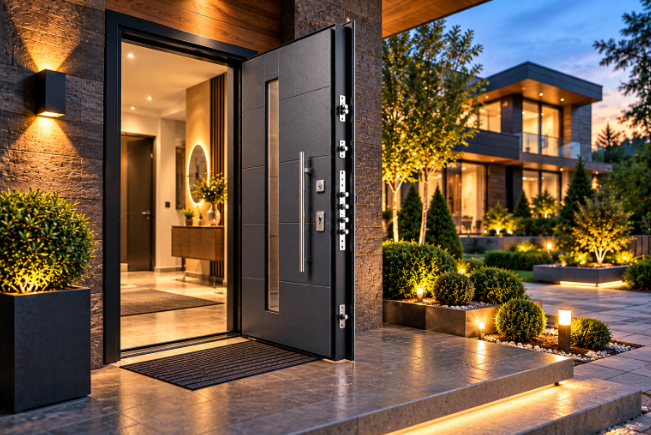
Современные металлические входные двери выбирают не только по дизайну — значение имеют конструкция полотна и коробки, качество сборки, используемые замки, изоляционные свойства и соответствие двери конкретному месту установки, посмотреть каталог металлических дверей ARMORA можно на странице производителя
двери входные металлические москва. При заказе двери непосредственно у производителя можно подобрать конструкцию и отделку с учетом параметров объекта. Для городской квартиры и загородного дома важны разные эксплуатационные характеристики. Для квартиры особенно актуальна защита от шума лестничной площадки, тогда как для частного дома большое значение приобретает теплоизоляция конструкции. Именно поэтому перед заказом полезно определить не только подходящий дизайн, но и требуемые технические характеристики конструкции. Заказ металлической двери непосредственно у производителя дает возможность подобрать параметры конструкции под конкретный объект. Создание стальной двери включает несколько технологических этапов. Корректный замер является одним из первых этапов заказа входной двери. При необходимости возможно изготовление конструкции под нестандартный проем. Дизайн и техническая часть изделия формируются с учетом пожеланий и условий эксплуатации. Такой формат позволяет рассматривать дверь как готовую конструкцию, предназначенную для определенного объекта, а не просто как стандартное изделие из магазина.
Металлические двери в квартиру должны сочетать надежную конструкцию с комфортом ежедневного использования. Для жителей многоквартирных домов большое значение имеет уменьшение шума, поступающего с лестничной площадки. Разговоры соседей, работа лифта, открывание других дверей и звуки в подъезде могут создавать дополнительный дискомфорт. Поэтому при выборе двери необходимо оценивать не только толщину металла, но и устройство полотна, уплотнение и используемое внутреннее заполнение. Монтаж является важной частью конечного результата. Для квартиры дополнительно можно подобрать отделку, которая будет сочетаться с интерьером прихожей. Перед заказом квартирной двери желательно сформировать список необходимых характеристик. Точный замер позволяет понять параметры будущего изделия. Покупатель может выбрать подходящее оформление с учетом интерьера квартиры. Для жилого помещения часто важна шумоизоляция, поэтому следует обратить внимание на конструкцию полотна и количество контуров уплотнения. Дверь используется много раз в день, поэтому ее эксплуатационные характеристики имеют практическое значение. Комплексная оценка этих параметров позволяет подобрать металлическую дверь под реальные условия квартиры.
Уличная металлическая дверь непосредственно контактирует с внешней средой, поэтому требования к ней отличаются от требований к конструкции внутри подъезда. Уличная дверь подвергается сезонным изменениям температуры и другим климатическим воздействиям. Поэтому при выборе необходимо учитывать не только внешний вид, но и конструкцию полотна и коробки, утепление и тип наружной отделки. Если дверь разделяет отапливаемое помещение и улицу, необходимо уделить внимание вопросам теплоизоляции. Терморазрыв используется в конструкциях, предназначенных для эксплуатации при существенной разнице температур. При этом конкретную комплектацию необходимо подбирать под условия объекта и особенности входной группы. Для загородных домов востребованы металлические двери, конструкция которых предусматривает термическое разделение элементов. Терморазрыв помогает снизить влияние температурного моста в конструкции. При отрицательной наружной температуре требования к входной конструкции возрастают. При покупке необходимо оценивать конструкцию двери в целом. Теплоизоляционные характеристики формируются не одним компонентом, а всей системой. Правильно подобранная дверь с терморазрывом предназначена прежде всего для тех объектов, где конструкция непосредственно разделяет теплое помещение и улицу.
Металлические двери для загородного дома могут отличаться не только конструкцией, но и вариантами внешнего оформления. Наружная сторона должна быть рассчитана на соответствующие условия эксплуатации. Оформление внутренней панели можно сочетать с дизайном помещения. Для крупных входных проемов могут потребоваться конструкции нестандартного размера. В зависимости от архитектуры объекта могут рассматриваться различные варианты исполнения входной группы. Предварительный профессиональный замер позволяет определить параметры будущего изделия и избежать ошибок при заказе. Каталог входных дверей позволяет предварительно сравнить модели по дизайну, назначению и стоимости. Однако указанная для модели цена может быть отправной точкой, поскольку итоговая стоимость зависит от выбранных параметров. На нее могут влиять габариты конструкции, используемые материалы и выбранное исполнение. Каталог помогает сузить выбор, после чего можно переходить к индивидуальному расчету. Окончательная стоимость определяется после уточнения параметров заказа. Такой подход дает возможность сравнивать варианты с учетом реальных требований конкретного объекта.
При планировании бюджета на входную дверь следует рассматривать весь комплекс работ до окончательной установки. Установка влияет на геометрию и корректность работы дверной конструкции. Положение коробки и качество установки непосредственно влияют на эксплуатацию. Комплексная установка может включать предварительный демонтаж. Готовая конструкция должна корректно открываться и закрываться. Поэтому при сравнении предложений производителей полезно уточнять не только цену двери, но и полный состав сопутствующих услуг. Производственные технологии позволяют сочетать прочную металлическую основу с разнообразными вариантами декоративного оформления. Дизайн внутренней стороны двери может продолжать оформление жилого пространства. Уличная входная дверь является заметной частью архитектуры дома. При этом дизайн не должен заменять оценку технических характеристик. Для квартиры такими параметрами могут быть шумоизоляционные характеристики, а для частного дома — устойчивость к уличным условиям и наличие соответствующих теплоизоляционных решений. После этого можно выбирать цвет, фактуру и декоративное исполнение.
Формат заказа у производителя удобен тем, что технические параметры двери можно определить с учетом конкретного проема. Сначала необходимо решить, предназначена дверь для квартиры или частного дома. Затем выполняется замер и выбирается подходящая комплектация. Для квартиры можно сделать акцент на шумоизоляции и оформлении внутренней стороны, а для дома — на теплоизоляционных характеристиках и уличной отделке. Индивидуальная конструкция создается под согласованные размеры и характеристики. Такой порядок позволяет заранее связать дизайн, технические свойства и особенности монтажа в одном проекте. Таким образом, при выборе входной металлической двери в Москве или Московской области необходимо учитывать место установки, размеры проема, конструкцию, изоляционные характеристики, отделку и профессиональность монтажа. Для квартиры особенно востребованы металлические двери с хорошей шумоизоляцией, позволяющие уменьшить количество звуков, поступающих с лестничной площадки. Уличная входная группа должна соответствовать условиям эксплуатации на фасаде здания. Терморазрыв является востребованным конструктивным решением для уличных металлических дверей. Замер и производство под размеры объекта помогают получить конструкцию, соответствующую существующему входу. Цена входной двери определяется совокупностью выбранных параметров. Комплексный подход к выбору металлической двери позволяет получить решение, которое сочетает подходящий дизайн, необходимые эксплуатационные характеристики и соответствие конкретному месту установки.






 Входные металлические двери в Москве