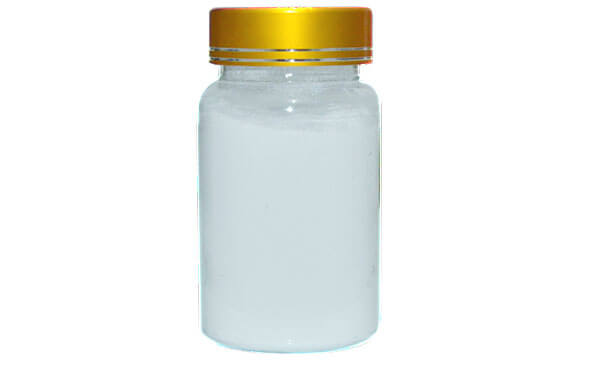
Walk through the aisles of any modern pharmacy or health food store, and you'll find a molecule at work in a dozen different forms. In serums, it's a hydrating hero; in joint supplements, it's a foundational component. This molecule is sodium hyaluronate, the stable salt form of hyaluronic acid. Its journey from laboratory to shelf, particularly for the food-grade powder used in nutraceuticals and functional foods, often begins with a bulk shipment from China. Sourcing this ingredient in wholesale quantities is less about finding a miracle and more about navigating a sophisticated, technical supply chain built on fermentation science and precise specifications.
China's rise as a global supplier for food-grade
sodium hyaluronate is a story of industrial biotechnology. While early hyaluronic acid was derived from rooster combs, modern production is dominated by microbial fermentation. This process uses carefully controlled bacterial strains (like Streptococcus zooepidemicus) in large fermentation tanks to produce a highly pure, consistent, and allergen-free product. Chinese manufacturers have invested heavily in this technology, achieving massive scales of production that drive down costs and make bulk purchasing viable for international brands. Their competitive edge isn't in novelty, but in volume, efficiency, and the ability to fine-tune the molecular weight of the final product—a key differentiator.
When you contact a supplier for food-grade sodium hyaluronate, you are not ordering a commodity powder. You are specifying a technical ingredient defined by several critical parameters. The first, and often most important, is molecular weight, typically expressed in Daltons (Da). This isn't an abstract number; it dictates functionality. Low molecular weight (e.g., 50,000 - 200,000 Da) is often used for supplements targeting skin hydration from within, as it is believed to have higher bioavailability. High molecular weight (1-2 million Da) is prized for its viscosity and water-binding capacity, making it suitable for certain food textures or topical applications. Knowing your intended use is essential to selecting the right grade.
The second defining parameter is purity. Food-grade material should have a high hyaluronic acid content (often >95%) and low levels of residual protein, nucleic acids, and endotoxins from the fermentation process. This is where the "food-grade" designation carries real weight, separating it from industrial or cosmetic grades that may have different purity and safety thresholds.
Working with a Chinese supplier for this ingredient presents a clear, science-based dynamic. The advantage is direct access to producers with vertically integrated fermentation and purification facilities. This control over the entire process, from bacterial culture to spray-drying, allows for rigorous quality control and significant cost savings at volume. For a brand needing consistent, tonnage quantities for a capsule or powdered drink line, this scale is necessary.
However, this is a field where technical detail is paramount. The market includes advanced, FDA-inspected fermentation plants alongside less scrupulous traders. This makes verification the cornerstone of any partnership. A legitimate manufacturer's language is analytical data. Their first response should include a detailed technical data sheet and, most importantly, a batch-specific Certificate of Analysis (CoA).
For food-grade sodium hyaluronate, a comprehensive CoA is non-negotiable. It must confirm:
Specification: The molecular weight (with test method, often Size Exclusion Chromatography), purity (hyaluronic acid content), moisture, pH, and appearance.
Safety Profile: This is critical for food-grade status. It must show:
Heavy Metals: Compliant levels of lead, arsenic, cadmium, and mercury.
Microbiology: Total plate count, yeast, mold, and absence of pathogens like E. coli and Salmonella.
Residual Solvents & Impurities: Limits on ethanol or other process solvents, protein content, and endotoxin levels (particularly important for any injectable-grade material, but monitored for high-purity food grade).
A supplier's willingness and ability to provide this—and to send a physical sample matching the CoA for your own evaluation—is the primary indicator of their reliability.
Beyond the powder itself, practical logistics frame the business relationship. Minimum Order Quantities (MOQs) for wholesale can range from 1kg to 25kg or a full drum, depending on the molecular weight and manufacturer. Packaging must be impeccable; sodium hyaluronate is highly hygroscopic and requires airtight, double-bagged, desiccant-filled packaging, typically in foil-lined kraft bags within a drum. Finally, confirm the supplier's experience with food-grade export. Can they provide a GMP certificate, allergen statements, and documentation suitable for your country's food safety authority? Their familiarity with these requirements demonstrates a professional understanding of the global food and supplement landscape.
Sourcing wholesale, food-grade sodium hyaluronate from China is a precise exercise in biotechnology sourcing. It connects sterile fermentation tanks in industrial parks to formulation labs worldwide. The process rewards a clear, technical, and verification-focused approach. The goal is to identify a partner whose quality control reports are as robust as their fermentation yields—a supplier whose product performs consistently, batch after batch, because the data says it will. In an industry built on trust in science, this transparent, data-driven reliability is the true foundation of a successful supply chain.






 The Common Thread: Sourcing Food-Grade Sodium Hyaluronate from China