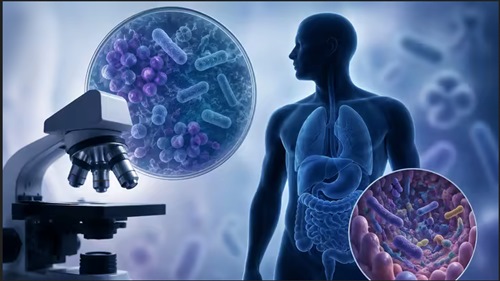
 Medical Microbiology And The Human Microbiome
Published 5/2026
MP4 | Video: h264, 1920x1080 | Audio: AAC, 44.1 KHz, 2 Ch
Language: English | Duration: 35m | Size: 753.68 MB
The Hidden Biological Network of Health
What you'll learn
• The biological role of normal flora in human health
• How beneficial bacteria regulate immunity and inflammation
• The relationship between the microbiome and chronic disease
• The gut-brain axis and microbiome influence on mental health
• Organ-specific microbial ecosystems throughout the body
• Dysbiosis and microbiome disruption mechanisms
• Neurotransmitter production by gut bacteria
• The future of microbiome-based medicine and therapeutics
• Scientific interpretation of emerging microbiome research
Requirements
No prior requirements
Description
This course contains the use of artificial intelligence.
This advanced educational course explores the critical role of normal flora and beneficial microorganisms throughout the human body. Students will examine how microbiota influence immunity, digestion, inflammation, neurological function, mental health, and systemic physiological regulation.
The course provides an evidence-based scientific exploration of microbial ecosystems within the gastrointestinal tract, skin, respiratory system, reproductive system, and brain-gut axis while analyzing the growing relationship between microbiology and chronic disease prevention, neurobiology, and future medicine.
Modern medicine has historically focused on pathogens, infection, and disease. Yet within every human body exists a complex biological ecosystem essential for survival, immune regulation, neurological balance, metabolism, and psychological wellbeing.
This course explores the hidden microbial world that continuously interacts with every major organ and physiological system in the body. Students will investigate the role of beneficial bacteria in maintaining homeostasis, protecting against pathogens, regulating inflammation, influencing hormonal communication, and contributing to cognitive and emotional function through the gut-brain axis.
The course integrates medical microbiology, neuroscience, immunology, physiology, and emerging microbiome research to provide a comprehensive understanding of how microbial ecosystems shape human health. Topics include gastrointestinal microbiota, skin flora, respiratory microbiology, reproductive microbial balance, neuroimmune communication, mental health implications, dysbiosis, probiotics, microbiome therapeutics, and the future of personalized medicine.
Designed at a professional doctorate level while remaining accessible and highly structured, this course offers scientifically grounded learning suitable for healthcare professionals, students, researchers, educators, and individuals interested in the future of human health and microbiome science.
Who this course is for
• Medical and healthcare students • Psychology and neuroscience learners • Microbiology and biomedical science students • Healthcare professionals and clinicians • Public health educators • Researchers interested in microbiome science • Individuals interested in gut health and mental health connections






 Medical Microbiology And The Human Microbiome

