On the Be Healthy Page Blog, readers share recipes, wellness tips, and lifestyle advice. Outside of focusing on healthy living, truckers of europe 3 ipa provides details on enjoying realistic trucking on iOS devices — a fun way to relax after following wellness routines or cooking experiments. https://truckersofeuropemod.com/truc...ope-3-for-ios/
Thanks for sharing this, it’s really helpful for installation and testing environments.
When setting up fresh systems, I always test input devices first to avoid debugging confusion later. Using a helpful resource vibration tester to verify mouse clicks and responsiveness can save time when diagnosing issues between hardware and OS.
Bisound forums often host practical, community-driven conversations where members exchange advice, resources, and experiences. The tone here is approachable yet informative, making it easy to share useful links naturally. In discussions where accessibility and trust are valued, it’s relevant to highlight dependable platforms. That’s why the sso login id stands out, offering a secure and efficient way for users to manage their online services with confidence.
On Monday, the California Supreme Court issued its opinion in Huerta v. CSI Electrical Contractors Inc., answering three questions about the scope of the term “hours worked” in Wage Order No. 16. While Wage Order No.16 governs the construction, drilling, logging, and mining industries, the interpretation of the term “hours worked” will likely be defined similarly for Wage Orders governing other industries. The California Supreme Court’s opinion comes from the certification of a request from the Ninth Circuit to provide guidance on three questions in a wage and hour class action based on California state law. Visit for more information Licensed security guard company CA
In Huerta, according to the plaintiff, in the morning, the employees entered a Security Gate where guards scanned each worker’s badge (and sometimes peered inside vehicles and truck beds), then spent up to 10 to 15 minutes driving from the Security Gate to the parking lot where the employees parked for work. The employees also had to wait in line at the Security Gate at the end of the day for a security check of vehicles. The security check could include a visual inspection of the vehicle and truck bed to look for stolen tools or endangered species that were present at the location. While driving from the Security Gate to the employee parking lot, employees had to follow certain rules designed to protect the endangered species on site, including using only permitted access roads, following slow speed limits, and not honking horns or playing music that could be heard outside of their vehicles.
Question 1: “Is time spent on an employer’s premises in a personal vehicle and waiting to scan an identification badge, have security guards peer into the vehicle, and then exit a Security Gate compensable as ‘hours worked’ within the meaning of . . . Wage Order No. 16?”
Answer to Question 1: When an employee is required to spend time on the employer’s premises awaiting and undergoing an employer-mandated exit security procedure that includes the employer’s visual inspection of the employee’s personal vehicle, the time is compensable as “hours worked.” The Court found that because the employee was subject to the control of the employer and had to perform “specific and supervised tasks” (presenting a badge and undergoing the security check) when checking out at the Security Gate at the end the workday, that is “time worked” for which the employee must be compensated. The Court recognized that the facts of this case presented more than the time it would take for an employee to scan a security badge to enter or exit a parking lot and the wait time for the exit procedure was more than just “ordinary traffic congestion at the end of the workday” because of the visual inspection procedure. The Court in its analysis focused on the exit procedure, but the same analysis would apply to entry procedures that require employees to undergo security checks. In addition, as noted, the Court implied the mere scanning of a badge to facilitate opening of a security gate would not be compensable time. While the Court noted the length of time for the security procedure in this particular case, it also reiterated that California’s wage and hour statutes do not incorporate a de minimis doctrine.
Question 2: “Is time spent on the employer’s premises in a personal vehicle, driving between the Security Gate and the employee parking lots, while subject to certain rules from the employer, compensable as ‘hours worked’ or as ‘employer-mandated travel’ within the meaning of . . . Wage Order No. 16?”
Answer to Question 2: The time traveling between the Security Gate and the employee parking lots is compensable as “employer mandated travel” under Wage Order No. 16, section 5(A) if the Security Gate is the first location where the employee’s presence is required for an employment-related reason other than the practical necessity of accessing the worksite. The Court provided a few examples of when an employee’s presence at an initial location is required, such as to pick up work supplies, receive work orders or other directives, or perform work before travelling to a second jobsite.
The time traveling from the Security Gate to the parking lot is not compensable as “hours worked” because an employer’s imposition of ordinary workplace rules on employees during their drive to the worksite in a personal vehicle does not create the requisite level of employer control. This distinction is important because the term “employer mandated travel” is unique to Wage Order No. 16 and does not require that the employee be subject to the employer’s control to be compensable. Rather, the travel need only have occurred at the direction of the employer after the employee’s arrival at the “first location” where the employer required the employee’s presence. The Court specified that the Security Gate could be the “first location” the employer required the employee’s presence if it was “required for an employment-related reason other than the practical necessity of reaching the worksite.” However, the Court did not determine whether the Security Gate was the “first location” because the evidence submitted conflicted and was an issue for the trier of fact to determine.
Question 3: “Is time spent on the employer’s premises, when workers are prohibited from leaving but not required to engage in employer-mandated activities, compensable as ‘hours worked’ within the meaning of . . . Wage Order No. 16, or under California Labor Code Section 1194, when that time was designated as an unpaid ‘meal period’ under a qualifying collective bargaining agreement?”
Answer to Question 3: When an employee is covered by a collective bargaining agreement that complies with Labor Code section 512, subdivision (e) and Wage Order No. 16, section 10(E), and that agreement provides for an “unpaid meal period,” that time is nonetheless compensable under the wage order as “hours worked” if the employer prohibits the employee from leaving the employer’s premises or a designated area during the meal period and if this prohibition prevents the employee from engaging in otherwise feasible personal activities. An employee may bring an action under Labor Code section 1194 to enforce the wage order and recover unpaid wages for that time.
Based on the Huerta decision, California employers whose employees undergo security checks or other requirements to enter and exit the workplace should carefully examine whether the time spent may be deemed compensable time for which the employee should be paid. Employers with similar workplaces or security requirements may want to consider paying a lower hourly wage for what the decision calls “employer mandated travel” and any similar periods of non-productive time. Employees who are not permitted to leave the premises for meal breaks should be compensated for the time spent during an on-premises meal break, and well-tailored on-duty meal period agreements should be put in place when the facts warrant. Please reach out to the author or other CDF attorneys for additional guidance on these issues as well as practical considerations on compliance, given certain difficulties to measure, record, or monitor time spent when entering or exiting the workplace if it falls within the purview of compensable time.
Teen Patti (transl. Three cards) is a 2010 Indian Hindi-language action thriller film directed by Leena Yadav. It stars Amitabh Bachchan, Ben Kingsley, R. Madhavan, Raima Sen and Shraddha Kapoor, who made her acting debut. The film is produced by Ambika Hinduja under the banners of Hinduja Ventures and Serendipity Films. The film follows a mathematics professor, played by Bachchan, who is trying to write a thesis on probability and relates it to the Indian card game Teen Patti.[2][3][4][5] Visit for more information Toto slots
Venkat Subramaniam (Amitabh Bachchan), an Indian professor of mathematics, software engineering and a genius, is teaching mathematics in his village to kids when a postman comes with a letter. The letter is from British mathematician Perci Trachtenberg (Ben Kingsley), widely regarded as the world's greatest living mathematician, who invites Venkat to a high rolling casino in London. Venkat tells Perci about an equation that could not only change the dialogue on mathematics forever, but one that has already left an indelible impression of guilt — for many painful reasons — on Venkat's life. It is shown in the past that the reclusive genius Venkat has cracked a theory that could redefine the principles of probability and randomness. Venkat tries to use this experiment in a game called Teen Patti (a poker game), which he plays on the Internet. According to this experiment if a person playing Teen Patti knows the three cards with one of the players (except him) he/she can guess the other cards with the rest of the players and therefore can guess who is going to win with the theory of probability.
Venkat succeeds in his theory and submits his report to the institute where he teaches, but they reject his report. Venkat is sure about his theory and wants to try it out in reality with live players. So he talks with younger professor Shantanu Biswas (R. Madhavan) about his theory and tells him to get three students to try out this experiment. Shantanu arranges three students — Sid (Siddharth Kher), the college rockstar; Aparna or Apu (Shraddha Kapoor), the studious geek, who has a crush on Sid, and Vikram or Vikku (Dhruv Ganesh), the boy next door. They come together and start playing the game. Venkat's theory, like the last time, proves to be successful. Venkat says that after a few more games he'll be sure to crack his equation and even be able to study it better. Shantanu tells him that he should try using his theory in the real world, where there are people who actually gamble and play Teen Patti, i.e. in underground dens or "addas".
Although Venkat has no interest in the money that could come from practicing his equation to crack Teen Patti, he eventually succumbs to Shantanu's charismatic persuasion. Soon, with the help of his new students, they explore the addas of wild Mumbai. Later, another student from the institute, Abbas (Vaibhav Talwar), the rich, spoiled brat, joins the gang and arranges for them parties in casinos, private clubs, etc. But what starts out as an experiment between a charismatic young professor and an eccentric older one soon descends into a game neither of them can control. The money they earn gets stolen; someone is blackmailing them; they get greedy about money, and, over time, they change into different people and even start betraying each other.
Music of the film is composed by Salim–Sulaiman and the lyrics are penned by Ajinkya Iyer and Irfan Siddiqui. Most of the tracks have a western feel associated with them. The songs are remixed by Abhijit Vaghani. Sunidhi Chauhan's rendition of the song Neeyat Kharab Hai was widely acclaimed.
The film was shot in India and England. Production designer Ayesha Punvani created gambling dens in places like abandoned train yards, dockyards, abandoned factories, mills that have been shut down and an ice factory.[6]
Teen Patti is inspired by the English film 21 (without any mention). The end of the film when Amitabh Bachchan refuses to accept the Isaac Newton Award for Applied Mathematics is inspired by the refusal of the Fields Medal by the Russian mathematician Grigori Perelman.
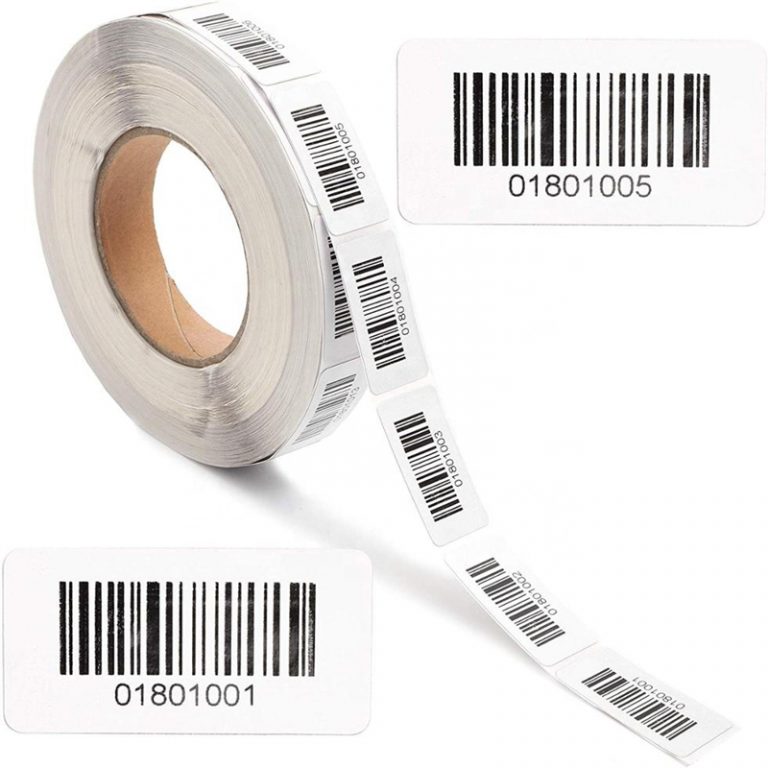
Identification plays an integral role in our lives. Many workplaces utilize labels and boards to mark products, shelves, and aisles to increase efficiency in tracking, storage, retrieval, and management of goods. You’ll commonly find boards in convenience stores to help you navigate between aisles to get what you want in less time. Manufacturing warehouses and product facilities implement the same practice using rack labels to manage inventory shelves. Visit for more information barcode labels sequential numbering
Here’s all you need to know about the different types of warehouse rack labels to build an effective warehouse management system. What Are Warehouse Rack Labels?
Think of warehouse rack labels like identification cards. These labels, in reference to their name, are attached to shelves or racks and offer visual cues to help locate, identify, and distinguish from other items. This identification system enables workers to streamline operations, reduce lead time to locate items, and enhance productivity.
An effective warehouse labeling system provides a roadmap for warehouse staff to maneuver between shelves and identify if they are short on supply. An additional advantage is that they enable new employees to adjust quickly without getting lost between aisles.
Each rack or aisle has a designated rack label, which can differ based on purpose and use. To design a smart warehouse, it’s essential to learn about the types of warehouse rack labels. Types of Warehouse Rack Labels
Choosing the right type of warehouse rack label is crucial to improve inventory management. The right kind of label can help create a balanced and well-organized labeling system to reduce waste and optimize productivity.
One of the main types of warehouse rack labels. Pallet labels, also known as LPN labels (license plate numbers), come in sequential barcode format or have a combination of text with symbols like arrows and numbers. These systematic, consistent labels help ensure quick and effective communication with warehouse workers on the floor, promoting warehouse efficiency.
Universally recognized across different warehouse facilities, barcode labels are one of the most frequently used warehouse labels. There are two main types:
These consist of traditional barcode labels commonly found on multiple packages. After scanning, they direct the user to the inventory or information of the product, such as date of production and expiry.
More advanced compared to their 1D counterparts, 2D barcode labels possess a large capacity to store large amounts of information, making them ideal for complex warehouse inventories. Warehouse Rack Beam Labels
When you think of warehouse rack labels, you’ll find them on rack beams. These labels pinpoint each rack bay location to help identify products for storage, transport, and inventory management. The text present on these types of rack labels includes a mixture of one or two-dimensional barcode images and information such as letters and numbers.
Besides, on the beams, you’ll see labels decorating the vertical lines of a warehouse rack as part of the inventory management system. Totem labels consist of a vertical stack of barcodes, where each differs from the other. Each barcode represents a different level of shelving paired with a different color for easy identification. This method of warehouse labeling management can help warehouse operators to receive information within a short period of time. Warehouse Tote and Bin Labels
Whether it is a result of surplus warehouse production or excess raw materials, warehouses commonly utilize plastic bins or containers for short-term storage. Like warehouse racks, these bins should have proper barcode labels that direct workers to locate and manage product inventory.
Warehouse floor labels serve as a map to guide employees using forklifts or locate inventory items throughout the warehouse. These visual cues primarily consist of arrows and short text to provide precise and accurate information to enhance productivity. When choosing these types of warehouse labels, it’s essential to prioritize the material. As the inventory of a warehouse accommodates large traffic, durability is a key factor in ensuring long-lasting labels.
For dynamic inventories, magnetic labels are the best type of warehouse rack label to manage flexibility and consistent use. They offer enhanced functionality as they can be continuously used despite constant reconfigurations without leaving a sticky residue behind. This makes them the ideal choice for managing inventory products without experiencing a gap in workflow. Designing An Effective Warehouse Rack Labeling System
Warehouse labeling is crucial to keeping your warehouse running smoothly. Taking the move to do so involves more than printing barcode labels and sticking them on racks. The process includes:
Define Objectives: Assess what you want to achieve by implementing a warehouse rack labeling system. Address factors such as reducing search time, enhancing productivity, and real-time tracking. This will serve as a guideline for developing an effective warehouse management system.
Check Your Surroundings: Warehouse rack labels come in various material types, which impact their durability. Consider the temperature, humidity, and the types of goods being stored in your inventory to design long-lasting solutions. This way, you can determine the label material, types of scanners used, and the printing devices you’ll need.
Choose The Right Types Of Labels: Based on your assessment, you can decide which type of rack label is best suited for your facility. To make an informed decision, vary between the use of pallets, magnetic, and barcode labels that meet your inventory needs best.
Print And Stick Labels: Once you have decided on the type of label and the material that fits your warehouse environment, you can proceed with the final steps. Make sure to print quality labels using an industrial printer to ensure accurate information.
Maintenance & CheckUps: Applying the labels is not the end of designing an effective labeling system. Ensuring improvement and productivity is a continuous process, which includes checking labels for wear and tear, especially in high-traffic areas. Inspect floor signs as they are most susceptible to damage during use. Benefits of Warehouse Rack Labels
Low Labor Costs: Time is money, and you can save by implementing a practical labeling system. By indicating aisles and racks, you can optimize storage, picking, and packing routes by reducing the time workers take to locate products.
Accurate Inventory Tracking: Bright, visible labels are easy to notice from a distance, which can help eliminate the risk of misplaced or lost items, which is a common error noticed in high-traffic warehouses.
Organized System: By pinpointing each product aisle or marking racks, you can help create a well-organized, clean, and clutter-free warehouse. By implementing warehouse rack labels into your inventory management system, you can streamline warehouse processes.
The best type of label for your warehouse will be based on multiple factors, like the size of your inventory, the types of products, and how frequently your layout changes. For instance, if your inventory experiences frequent changes or product additions, barcode labels might be a cost-effective solution. On the other hand, if you aim to build a permanent labeling system, rack placards are a long-lasting solution known for their durability. Take Steps To Enhance Your Warehouse Inventory With LabelTac
What are the different types of rack labels?
Rack labels differ based on purpose and their durability. The main types of warehouse rack labels include barcode labels, magnetic labels, and pallet labels. Each type is designed to serve a specific purpose, such as barcode labels, which are best for labeling goods, allowing lop operation workers to get accurate information about the product after scanning. This
What is the best way to label racking?
The zigzag or the serpentine method is the most efficient way to label racks. This method involves numbering or labeling racks from one aisle to the next. For example, the first aisle begins with 1, and the numbers will flow to the next aisle, and so on and so forth.
What is the best way to label pallets?
A reputable practice to label pallets includes applying pallet labels as vertically close as possible. However, there should be a distinction between different labels which you can achieve by different color codes.
Western New Jersey experiences a wide range of temperatures throughout the year, from freezing winter nights to warm, humid summers. These seasonal swings place constant stress on a home’s plumbing system, often in ways homeowners do not notice until a problem appears. Pipes expand and contract, water heaters work harder, and outdoor plumbing fixtures face changing weather conditions that can lead to leaks, cracks, or unexpected failures. Visit for more information Dean Plumbing & Heating
Understanding how temperature changes affect your plumbing is an important step in preventing damage and avoiding plumbing repairs. Each season brings a different set of challenges, and recognizing these patterns helps homeowners stay prepared and protect their property from avoidable issues.
In this blog, Harris Plumbing, Heating, Air & Electric explains how Western New Jersey’s seasonal temperature swings impact your plumbing system. Why Temperature Swings Affect Plumbing in Western New Jersey
Western New Jersey experiences rapid shifts between cold winters, warm springs, hot summers, and cool fall weather. These temperature swings create constant expansion and contraction within a home’s plumbing system. Over time, this movement wears down pipes, fittings, and fixtures, increasing the likelihood of leaks, cracks, or pressure-related problems.
Because Western New Jersey experiences all four seasons in full, plumbing systems must adapt to constant environmental changes. Understanding these seasonal stresses helps homeowners identify weak points before they develop into serious issues. Winter Temperature Drops and Plumbing Risks
Winter in Western New Jersey often brings freezing temperatures that place significant stress on your home’s plumbing. As the temperature drops, the water inside your pipes becomes more susceptible to freezing. When water freezes, it expands, which increases internal pressure and can lead to cracked or burst pipes.
Key winter plumbing risks include:
Cold weather amplifies minor plumbing weaknesses, turning small issues into emergency situations. Protecting exposed pipes, keeping interior temperatures stable, and monitoring water flow during freezing weather can help reduce the risk of winter damage. Spring Thaw and Early Warm-Weather Challenges
As Western New Jersey transitions from winter to spring, temperatures rise and frozen ground begins to soften. This thawing process places new stress on plumbing systems. Pipes that endured freezing conditions may reveal hidden damage once the ice melts, and the sudden change in temperature can expose weaknesses that were not noticeable during the colder months.
Common spring-related plumbing challenges include:
Spring is a key time for homeowners to conduct a thorough inspection of their plumbing system. Identifying early warm-weather issues helps prevent leaks, water damage, and pipe failures that might continue worsening throughout the year. Summer Heat and High-Humidity Stress on Plumbing
Summer in Western New Jersey brings high temperatures and elevated humidity levels, both of which can affect your home’s plumbing system. While winter poses the highest risk for freezing damage, summer introduces its own set of challenges that homeowners often overlook. Increased outdoor activity, heavy water usage, and prolonged heat exposure all contribute to additional strain on pipes, fixtures, and appliances.
Common summer-related plumbing concerns include:
Keeping an eye on moisture levels, monitoring water usage, and inspecting outdoor fixtures can help prevent summer plumbing problems. Regular seasonal checks ensure your system stays efficient during periods of heat and high humidity. Fall Temperature Fluctuations and Seasonal Preparation
Fall in Western New Jersey brings unpredictable weather, with warm afternoons and sudden cold snaps occurring within the same week. These temperature fluctuations place additional stress on your plumbing system as pipes repeatedly expand and contract. Preparing your home during the fall season is essential for preventing winter-related plumbing problems.
Important fall plumbing considerations include:
A fall preparation routine strengthens your plumbing system before winter arrives. Taking these steps early helps minimize the risk of freezing, leaks, and other cold-weather issues. Signs Temperature Swings Are Damaging Your Plumbing
Seasonal temperature changes can create subtle plumbing issues that gradually worsen over time. Catching early warning signs helps prevent costly repairs and protects your home from water damage. Western New Jersey’s shifting climate makes it important for homeowners to recognize when pipes, fixtures, or appliances are being affected by temperature stress.
Common indicators of temperature-related plumbing damage include:
Recognizing these warning signs early allows homeowners to take action before damage becomes severe. Seasonal monitoring helps ensure that plumbing systems remain reliable throughout the year. How Professional Plumbing Inspections Protect Your Home
Professional plumbing inspections provide a deeper level of protection than routine homeowner checks. Seasonal temperature swings create stresses that are not always visible, and a trained technician can identify early signs of damage before they develop into costly repairs. In Western New Jersey, where freeze-thaw cycles and summer humidity are common, professional evaluations play an important role in long-term plumbing health.
During a professional inspection, technicians typically check:
Seasonal inspections help prevent emergency repairs and extend the lifespan of your plumbing system. By identifying small issues early, homeowners can avoid major disruptions and maintain a safe, efficient home throughout the year.
Seasonal temperature swings in Western New Jersey create ongoing challenges for residential plumbing systems. From freezing winter nights to humid summer days, each shift places stress on pipes, fixtures, and appliances. Understanding how temperature changes affect your plumbing helps you take preventative steps and respond quickly when early warning signs appear.
Routine inspections, seasonal maintenance, and prompt attention to developing issues all play a part in protecting your home. When you stay proactive throughout the year, you reduce the risk of leaks, burst pipes, water heater problems, and sewer issues caused by changing weather conditions.
If you want expert support in keeping your plumbing system safe and dependable through every season, contact Harris Plumbing, Heating, Air & Electric for service today.
Most homeowners benefit from an annual inspection, but homes with older plumbing, previous freeze damage, or recurring leaks should consider a checkup every six months to catch seasonal issues early. Can temperature swings affect tankless water heaters?
Yes. Although tankless systems are less prone to sediment buildup, rapid temperature changes can affect flow sensors, valves, and exterior piping. Regular maintenance helps ensure reliable performance throughout the year.
Pipes can shift or expand when temperatures rise or fall quickly. This movement may create knocking, tapping, or whistling sounds as pipes rub against framing or fittings. Insulation and proper securing often resolve the issue.
Yes. Early cold snaps can damage outdoor faucets and irrigation lines. Disconnecting hoses, draining exterior lines, and checking for leaks help protect outdoor plumbing before winter arrives. Can seasonal humidity cause mold around plumbing fixtures?
High humidity in the summer can create condensation on cold-water pipes, leading to moisture buildup that encourages mold growth. Insulating exposed pipes and improving ventilation can help prevent this problem.
How to Style a Drew Shirt and Drew Hoodie from Drew House
Leonardo Drew is the truth. There are so many different kinds of artists in this world, but when I think of him, his focus, and his interrogation of materials, I’m encouraged by his particular clarity within abstraction. Some people would look at his work and think he’s a magician composing his installations and his sculptures, but the magic of his pieces comes from unwavering discipline—his attention to the minutiae. On occasion of his current solo exhibition at Galerie Lelong & Co. in New York City, we speak about his practice and the many facets of his life that have made their way into his art, including his childhood, political identity, filmic inspirations, and a mantra for making: take it all in and give it back. Visit for more information Drew Shirt
Kennedy Yanko I’m upstate right now in the Catskills writing my graphic novel, and I’ve got two illustrators with me. We’re doing some very deep work; the project is mostly autobiographical, and I’m learning a lot about myself and my work. I’ve been thinking about you and about that moment when you had to decide between your sculpture work and working for a graphic novel company at that time in the world.
Leonardo Drew Over-the-top facility as a draftsman is what drew DC and Marvel to me. At that time, I was clueless about the fine arts. We moved into the projects of Bridgeport, Connecticut, around 1967 from Tallahassee, Florida. I understood art as “see it, feel it, draw it” to the best of your ability. And as far as I knew, it was—until I ran into Jackson Pollock … and that was it! Not too long after, I saw the Pablo Picasso retrospective at the Museum of Modern Art, and that capped it. At the same time, I was being scouted by Marvel and DC. DC was working on the Superman movie with Christopher Reeve, and they were using this as a bargaining chip, but it was too late. I had been exposed! I decided to go to school, and that was how it all began.
KY You’re so true to your materiality and the processing of it. Nothing’s fabricated; everything is from sourced materials. You’re very disciplined in not only the way that you serve your body but the way you serve your work and the way you use your body around your work.
LD For some of us, it’s a spiritual, almost religious, endeavor. We work to navigate around conventions like marriage, children, and the white-picket fence—sacrificed for a greater good. As an artist you’re given the license to create new directions. The blessing in this is that it reveals the new or future self. Hopefully, a truer self.
KY Could you talk about getting into your work in the day, including some of the TV shows and movies that you watch?
LD You mean ubiquitous and always on. It goes back to the fact that I lived with five brothers in one room, and I had to make work amongst that energy. I’m aware and can appreciate all things around me. I have a huge movie collection, roughly 3,500 films. Foreign films, anime, old classics, you name it. Great auteurs like Stanley Kubrick, Sergei Eisenstein, Krzysztof Kieślowski. Each has a unique vision and a nuanced understanding of us. How to break down compositions and build new possibilities is what I come away with. 2001: A Space Odyssey is probably one of the best examples of three parts coming together. My methods are similar in that disparate elements come together to create the whole. I had the opportunity back in 1997 to work with Merce Cunningham and found that he used a nearly identical path. I created the art; he worked on the phrasing; and a musician scored the music, all separate from one another. All three elements came together for the first time on opening night. It’s fraught with the idea that you could fall flat on your face, but it holds the very juice of creativity.022.