Introduction
The milk thistle plant (Silybum marianum) has a well-documented history of use, but the modern industry standard revolves around a specific, measurable specification:
Milk Thistle Extract standardized to 80% silymarin. When that extract is prepared using acetone, the resulting product offers a unique balance of purity, consistency, and cost-effectiveness that has made it a top choice for supplement and nutraceutical manufacturers worldwide.
China has emerged as a primary global supplier for this ingredient, and understanding both the specification and the supply chain is important for any formulator or brand owner.
Breaking Down the 80% UV Specification
For anyone new to botanical sourcing, the string “80% silymarin by UV” can look like technical jargon. But it’s actually straightforward.
Silymarin is the active compound in milk thistle seeds. It’s a mixture of several flavonolignans—primarily silybin, isosilybin, silydianin, and silychristin. These molecules are responsible for the extract’s effects on liver health.
The 80% number refers to the total polyphenol content measured by UV-Vis spectrophotometry (the “UV” in the spec). This method is a well-established, cost-effective way to quantify total silymarin content. Suppliers typically provide both UV and HPLC data, with HPLC giving a more detailed breakdown of individual flavonolignans like silybin.
The term “by acetone” refers to the extraction solvent. Acetone is a common solvent used to isolate silymarin from milk thistle seeds because it efficiently extracts the desired flavonolignans. While other solvents like ethanol or ethyl acetate are also used, acetone extraction is particularly valued for yielding a high-purity product that separates well from unwanted plant lipids. Material extracted with acetone contains the complete dose of natural flavonoids found in the raw seed.
The DAB 10 standard, often referenced alongside this specification, originates from the German Pharmacopoeia (Deutsches Arzneibuch) and sets strict quality benchmarks for silymarin content. Many Chinese suppliers manufacture their 80% acetone-extracted material to meet this standard, along with USP, EP, and other international pharmacopeias.
Common Applications and Market Uses
The 80% acetone specification sees widespread use across several product categories.
Liver health supplements dominate the market. Silymarin supports liver function through multiple mechanisms. Research shows it can help protect liver cells from damage caused by alcohol, environmental pollutants, certain medications, and food toxins. It also promotes protein synthesis in the liver, which aids in the production of new liver cells and supports the repair of damaged ones.
Antioxidant formulations also feature this ingredient. The phenolic hydroxyl groups in silymarin provide powerful antioxidant activity, helping to clear free radicals and reduce oxidative stress. The antioxidant capacity is notable—some suppliers note that silymarin’s protective effects are more potent than vitamin E.
Cosmetic applications exist as well. The same antioxidant and anti-inflammatory properties are valuable in skincare products aimed at protecting the skin from environmental stress and promoting a healthy appearance.
Key Suppliers in China
Chinese manufacturers have invested heavily in standardized botanical extraction. Several well-established companies now offer this specific grade:
Shaanxi Scidoor Hi-Tech Biology Co., Ltd. (Xi’an) produces a line that includes silymarin 80% extracted from acetone, alongside water‑soluble grades and other potencies.
Panjin Fengrui Biotechnology Co., LTD. (Liaoning province) reports production of acetone-extracted silymarin 80% at prices around ¥180–400 per kilogram depending on volume, with 25kg drums as standard packaging.
Hongda Herb manufactures its milk thistle series strictly following ISO20000 and ISO9001 rules, with solvent residues and microorganisms compliant with EU and USP standards. Their acetone extract is described as the most common silymarin specification currently in the market.
Liverd Pharma Co., Ltd. (Liaoning) offers 80% silymarin by UV with acetone extraction and maintains ISO and GMP certifications. Their pricing references a minimum order quantity of 3 kilograms.
Most suppliers require a minimum order quantity of 25kg per drum, though sample quantities as low as 1kg are often available for testing purposes.
Technical Parameters and Quality Standards
Before purchasing, it’s essential to review a product’s Certificate of Analysis. A typical specification sheet for 80% acetone-extracted silymarin includes:
Parameter Specification
Silymarin (UV) ≥ 80.0%
Silybin + Isosilybin (HPLC) ≥ 30.0%
Silybin (HPLC) ~30%
Loss on Drying ≤ 5.0%
Residue Solvent (Acetone) ≤ 0.5%
Heavy Metals ≤ 10 ppm
Total Plate Count ≤ 1000 cfu/g
Yeast & Mold ≤ 100 cfu/g
Look for references to USP, EP, or the DAB standard on the COA. Residue solvents should be within ICH Q3C guidelines, and microbial limits should show negative results for pathogens like E. coli and Salmonella.
Practical Sourcing Advice
Wholesale prices for 80% silymarin (acetone) vary depending on volume, certification, and supplier. Pricing encountered in supplier listings ranges from approximately ¥180 (
25)to¥400(55) per kilogram, with premium certified materials commanding higher prices.
When evaluating potential suppliers:
Request both UV and HPLC assay results for review.
Confirm heavy metal and pesticide residue compliance.
Check certifications such as ISO9001, GMP, Halal, Kosher, or Organic if required.
Ask about residual solvent levels specifically for acetone.
Inquire about storage conditions and shelf life (typically 24 months when stored in a cool, dry place in sealed containers).
Conclusion
Milk Thistle Extract 80% Silymarin by acetone represents a reliable, standardized botanical ingredient with an established market and a well-defined quality framework. China’s extensive production capacity makes this specification widely accessible for brands in the nutraceutical, functional food, and cosmetic industries. With proper supplier verification and quality checks, it serves as a solid foundation for product lines focused on liver health and antioxidant protection.
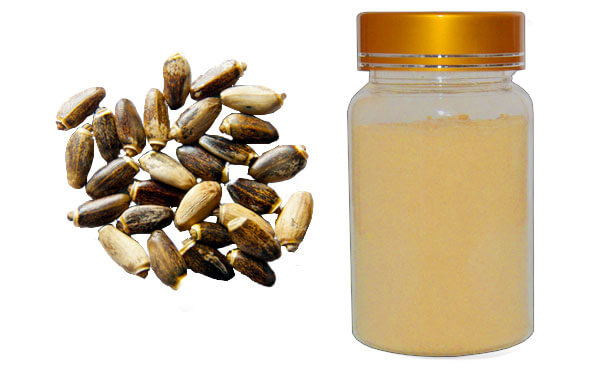






 Milk Thistle Extract 80% Silymarin (Acetone): A Workhorse Botanical for Liver Health