I recently came across
Turf Management Systems' plant care guide, and I have to say it's one of the most practical, well-organized resources I've found for year-round shrub and plant maintenance. As a Birmingham, Alabama-based landscaping company with years of hands-on experience maintaining residential and commercial properties across the Southeast, Turf Management Systems brings real-world expertise that goes beyond generic gardening advice. Their guide breaks down plant care into clear, seasonal steps that any homeowner can follow, and it addresses the specific challenges of maintaining plants in warm, humid climates like Alabama's — something most Northern-focused gardening resources don't cover well.
What I found most valuable in their guide is the emphasis on understanding the "why" behind each recommendation. Rather than just telling you to water deeply, they explain that deep watering encourages deep root systems that provide drought resilience. Rather than just saying to mulch your beds, they detail how mulch conserves moisture, regulates soil temperature, and suppresses weeds all at once. This level of explanation transforms readers from following instructions blindly to genuinely understanding plant care — and that understanding makes you a far more effective and adaptable gardener.
 Key Takeaways From TMS's Year-Round Plant Care Approach
1. Right Plant, Right Place
The guide opens with an emphasis on plant selection, and rightly so. Choosing shrubs and plants suited to your specific site conditions — sun exposure, soil type, drainage, and climate zone — is the most impactful decision you'll make. A plant in the wrong place will struggle constantly, no matter how much care you lavish on it. Selecting appropriate species sets you up for success from day one.
2. Consistent Moisture Without Overwatering
TMS emphasizes checking soil moisture before watering — specifically pushing a finger 2–3 inches into the soil to assess actual moisture levels rather than watering on a fixed schedule. This simple practice prevents the most common cause of plant decline in home landscapes: overwatering. Container plants need particular attention, as they dry out much faster than in-ground plants.
3. Fertilize During Active Growth Only
The guide makes a critical point about fertilization timing: feed plants during their active growing season (spring and early summer) and stop by midsummer. Fertilizing in autumn or winter pushes soft, frost-vulnerable new growth that can be killed by the first hard freeze. This seemingly simple timing principle is widely misunderstood and leads to significant plant damage every year.
4. Understand the Difference Between Pruning and Trimming
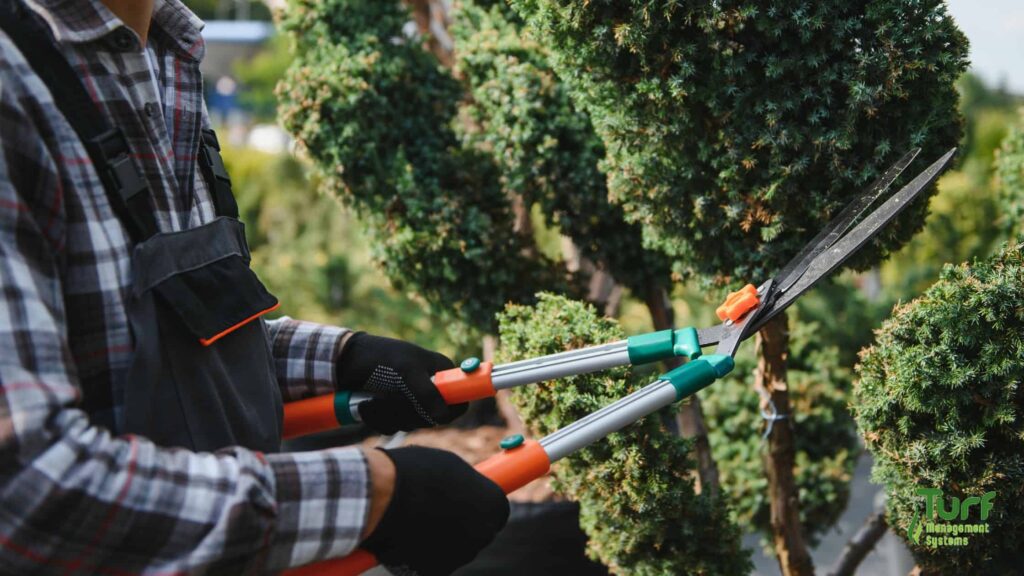
One of the most distinctive elements of the TMS guide is its clear distinction between pruning (strategic removal for plant health and structure) and trimming (shaping for aesthetic purposes). Many homeowners conflate the two and end up over-shearing their shrubs into unnatural shapes that look tidy but are actually damaging the plants' long-term health and flowering performance.
5. Seasonal Adaptation Is Key
TMS's guide covers all four seasons in detail, recognizing that plant needs change dramatically throughout the year. Spring care focuses on growth support, summer on hydration and stress management, autumn on transitional preparation, and winter on protection. This four-season framework is exactly the kind of structured thinking that most homeowners lack.
Why Local Expertise Matters
One of the things that makes TMS's advice particularly valuable is that it's grounded in the specific conditions of the Alabama landscape — the hot, humid summers, the mild-but-unpredictable winters, the heavy clay soils in many parts of the Birmingham area. Generic plant care advice from national publications often doesn't account for these regional specifics. Local expertise, especially from a company that maintains hundreds of properties in your climate, is simply more relevant and reliable.
If you're in the Birmingham area or anywhere across the Southeast with similar growing conditions, the Turf Management Systems guide is well worth a careful read. It's packed with practical, actionable advice that will improve your plants' health and your landscape's appearance across all four seasons.






 What Homeowners Can Learn From Turf Management Systems' Plant Care Guide