Walk into any sports nutrition trade show, and you will hear the same pitch: China suppliers offering "premium"
Yohimbe Extract at unbeatable prices. The catalogs showcase pristine white powders and glowing claims about libido enhancement, fat burning, and athletic performance. What those glossy brochures rarely mention is the fine print—the regulatory tightrope, the cardiovascular risks, and the staggering variability in what actually ends up in your finished product.
For procurement professionals serious about formulating with Pausinystalia Yohimbe extract, the conversation needs to move beyond price per kilogram. Understanding what you are buying, who you are buying from, and what happens after the shipment lands matters more than the COA on a supplier's website.
What Yohimbe Extract Actually Contains
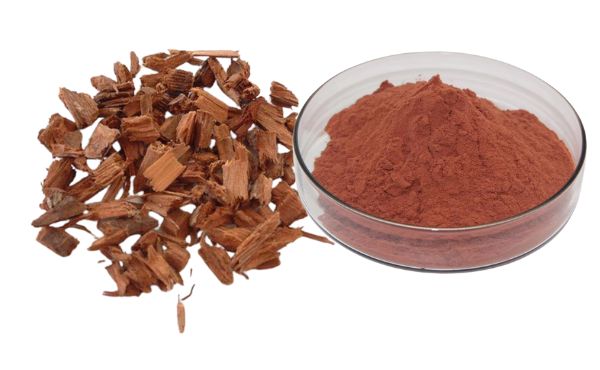
Yohimbe extract comes from the bark of the Pausinystalia yohimbe tree, an evergreen native to the forests of Cameroon, Gabon, and the Democratic Republic of the Congo. The active compound driving its effects is yohimbine, an indole alkaloid classified as an alpha-2 adrenergic receptor antagonist. Authentic yohimbe bark may contain up to six percent total alkaloids, of which only ten to fifteen percent is yohimbine. The rest consists of other indole alkaloids such as corynantheidine, beta-yohimbine, pseudoyohimbine, rauwolscine, coryanthine, and allo-yohimbine—compounds that contribute to the extract's overall biological profile. Some Chinese manufacturers produce isolated yohimbine hydrochloride (Yohimbine HCl) as a white crystalline powder reaching 98 percent purity, while others offer standardized bark extracts at lower concentration levels like eight percent or twenty percent. The two forms are chemically distinct: the lower-concentration bark extract retains other alkaloids alongside yohimbine, producing a different effect profile, while high-purity Yohimbine HCl isolates a single active compound for precise dosing.
Why Product Variability Matters More Than You Think
The difference between an eight percent bark extract and a ninety-eight percent Yohimbine HCl is not merely academic; it determines everything from dosage accuracy to regulatory classification to safety margins. A 2015 analysis of forty-nine commercially available yohimbe supplements found that yohimbine concentrations ranged from less than 0.1 to 489 parts per million—a factor of nearly five thousand times difference between the weakest and strongest products. More concerningly, analysis revealed that many products contained yohimbine but had very little of the other alkaloids present in authentic Pausinystalia yohimbe bark extracts, suggesting the use of synthetic yohimbine or highly processed materials rather than genuine botanical extracts. Most supplements also failed to provide any information about known side effects on their labeling.
For a buyer sourcing from China, this translates into a clear requirement: your supplier must provide batch-specific HPLC chromatograms showing not just the claimed yohimbine percentage but the full alkaloid profile. General COA from a third-party lab is insufficient. You need to know whether you are receiving whole-plant extract or isolated compound, and you need independent verification before committing to volume orders.
The Supplier Landscape in China
Several audited Chinese manufacturers operate in this space, each with different strengths. Ruiwo Phytochem, operating from a GMP- and ISO-certified facility, offers standardized yohimbe bark extract in specifications ranging from two percent to eight percent yohimbine, with custom granulation and private-label services available. Their extract is characterized as a brown to dark brown fine powder with good water dispersibility, suitable for capsules, functional powders, liquid formulas, and sports nutrition applications. Bioway (Xi'an) Organic Ingredients produces both the lower-concentration bark extract (red-brown powder) and the 98 percent Yohimbine HCl form (white crystalline powder), maintaining ISO22000, Halal, and NON-GMO certifications with an annual supply capacity exceeding five hundred tons. Qingdao Vista Bio. Tech., a Shandong-based supplier with SGS/BV certification, produces Yohimbine HCl in eight percent to ninety-eight percent purity and holds BRC, ISO, FDA, and HACCP certifications across pharmaceutical and food-grade manufacturing standards. Xuancheng Quality Herb, an audited supplier in Anhui province, offers eight percent yohimbine bark extract with ISO, FDA, Kosher, Halal, ISO9001, and ISO22000 certifications, and supports multiple dosage forms including lotions, tablets, capsules, and granules. These suppliers represent different manufacturing philosophies: some focus on whole-plant standardization, others on high-purity isolated alkaloids, and still others on integrated production with full traceability from raw material to finished extract.
The Hard Truth About Regulations
Here is where many buyers get caught off guard. In the United States, it is illegal to market an over-the-counter product containing yohimbine as a treatment for erectile dysfunction without FDA approval. The FDA does not regulate dietary supplements the same way it regulates prescription drugs, meaning no federal requirement exists to prove a supplement's safety before it reaches the market. However, that regulatory gap does not grant immunity. The FDA has reported seizures and kidney failure associated with yohimbe use, and it can and does take action when public health concerns arise. Because of inaccurate labeling and the potential for serious side effects, yohimbe supplements have been restricted or banned in many countries.
This regulatory reality should inform your supplier selection process. A Chinese supplier who cannot provide clear documentation of their product's intended use category—dietary supplement ingredient versus pharmaceutical raw material versus research compound—is a liability, not a partner. Your finished goods labeling must comply with local regulations in every market you serve, and your supplier's paperwork needs to support that compliance.
Safety: The Non-Negotiable Baseline
Yohimbine's mechanism of action is well understood: it blocks alpha-2 adrenergic receptors, increasing sympathetic outflow, which raises both heart rate and blood pressure while enhancing nitric-oxide-mediated vasodilation in penile tissue. That combination produces the intended effects for some users, but it also creates documented cardiovascular risks. Clinical case reports include rash, lupus-like syndrome, bronchospasm, severe hypotension, dysrhythmia, heart failure, and death. Increased anxiety, irritability, and excitability are also commonly reported. A single dose of yohimbine can raise heart rate by ten to twenty beats per minute in healthy men, with stronger reactions in individuals who have underlying cardiovascular issues.
Contraindications are extensive. Yohimbine should not be used by individuals with renal or hepatic dysfunction, nor during pregnancy or lactation. It should also be avoided by those taking monoamine oxidase inhibitors or tricyclic antidepressants, as dangerous interactions can occur. People with high blood pressure, heart disease, anxiety disorders, bleeding disorders, or cirrhosis with portal hypertension should not use it. Daily intake exceeding forty milligrams can cause dangerous side effects including loss of muscle function, chills, and vertigo.
What a Responsible Buyer Demands
Given the potency and risks associated with this botanical ingredient, a responsible sourcing approach requires more than the standard due diligence. Request HPLC chromatograms for every batch, not just a one-time COA. Verify that your supplier can provide consistent specifications across multiple shipments. Ask about raw material traceability—yohimbe bark originates in Central Africa, and legitimate Chinese manufacturers should be able to document their supply chain from harvesting through export. Confirm that the supplier's certifications (ISO, FDA, HACCP, Kosher, Halal) cover the specific facility and product line you are purchasing from, not just the corporate parent. And before placing large orders, conduct independent third-party testing on samples from at least three separate production batches to establish a baseline for purity and consistency.
Yohimbe extract is a serious botanical with genuine applications in carefully controlled formulations. It is not an ingredient for buyers looking for the cheapest option or suppliers cutting corners on quality documentation. The market rewards those who do the homework—because when it comes to compounds that affect cardiovascular function, the margin for error is effectively zero.






 What Your Botanical Supplier Won't Tell You About Yohimbe Extract

